Ecotourism
Northgrippian Park’s proposal for placing El Raso on the world map is to transform this project into a publicly run major international tourist attraction.
It offers a unique opportunity to create a magical destination for nature lovers: an unprecedented park where history, tradition, and wildlife intertwine along a route filled with points of interest—unequalled anywhere in Europe.
This website is for informational and educational purposes only.
It does not imply the approval of any specific project nor the authorization of the introduction of species, which, if applicable, would require specific administrative procedures, environmental assessment, and public participation in accordance with current regulations.
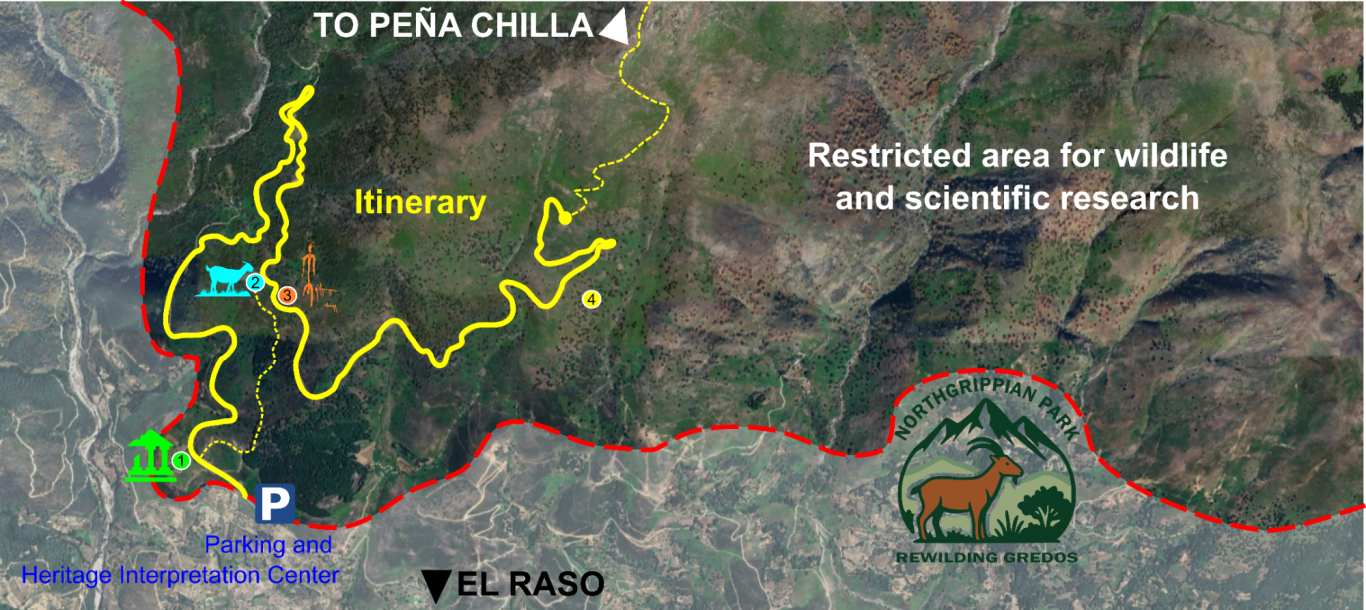
Proposed visitor itinerary integrating, within a single park itinerary, the following points of interest: (1) the Castro Vetton of El Raso, (2) the Majada de Braguilla, (3) the prehistoric paintings of Risco de las Zorreras, and (4) the wildlife viewing trail.
1. Castro Vetón de El Raso
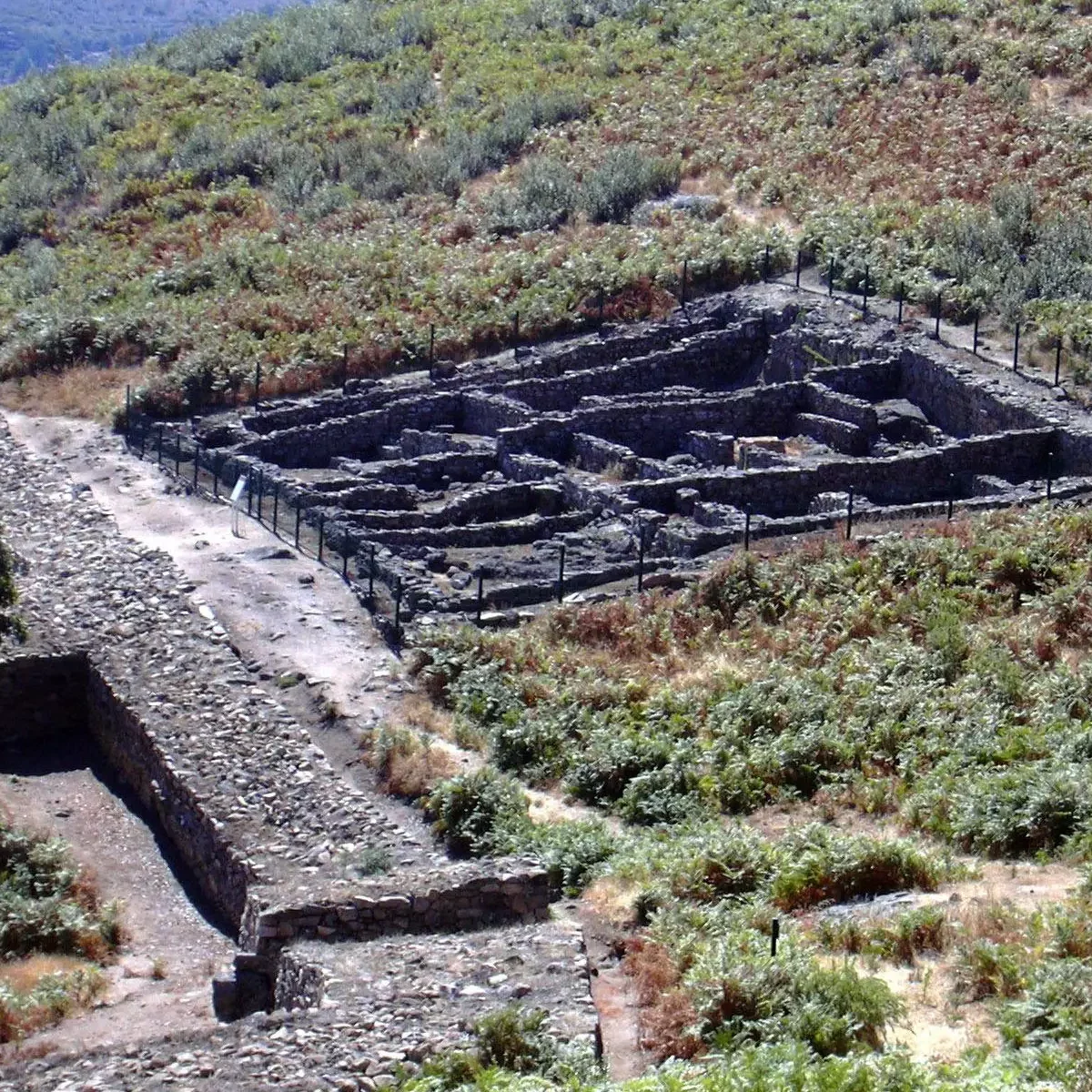
As soon as visitors enter Northgrippian Park, they encounter the ruines of this impressive celtic Hillfort. This carefully preserved and comprehensive archaeological site takes on a new dimension within the park, inviting us to discover how human activity has shaped the region’s landscape and ecology over the centuries. More than 2,000 years ago, the Vettones were already practicing goat herding, continuing ecological functions once performed by wild fauna that has since disappeared. Their legacy remains alive in the territory, allowing us to walk through it today, value it, and reconnect with a past that inspires us to understand our own relationship with nature.
2. Majada de Braguilla Cimera
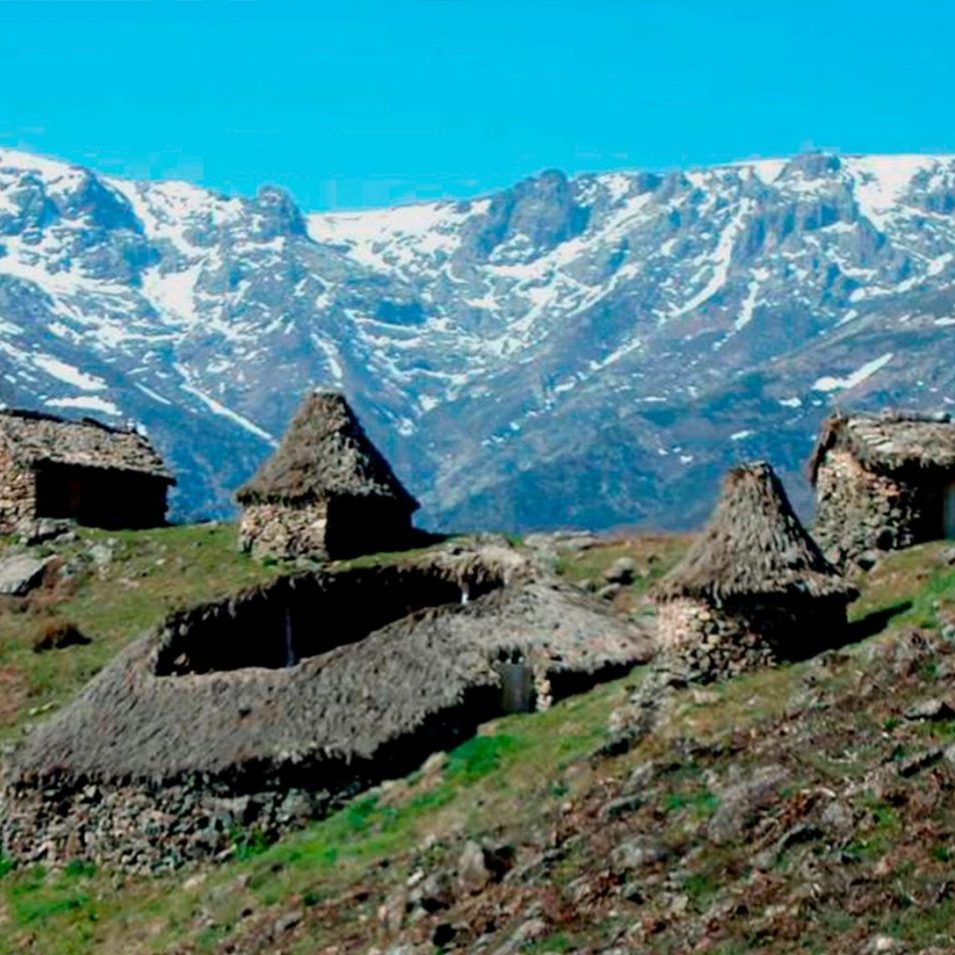
The visit continues with a journey through time that brings us back to the present: a once-active contemporary shepherd's settlement, now abandoned like so many others in the area. Until just a few years ago, the mountains were still densely inhabited by human communities whose way of life and relationship with their surroundings had changed surprisingly little over millennia. This stop along the route invites visitors to understand how large herbivores—in this case, domestic goats—have been true sculptors of the landscape. Throughout the recent Holocene, and until only a few decades ago, their presence shaped this territory, creating the natural mosaic we can observe, study, and admire today.
3. Risco de las zorreras
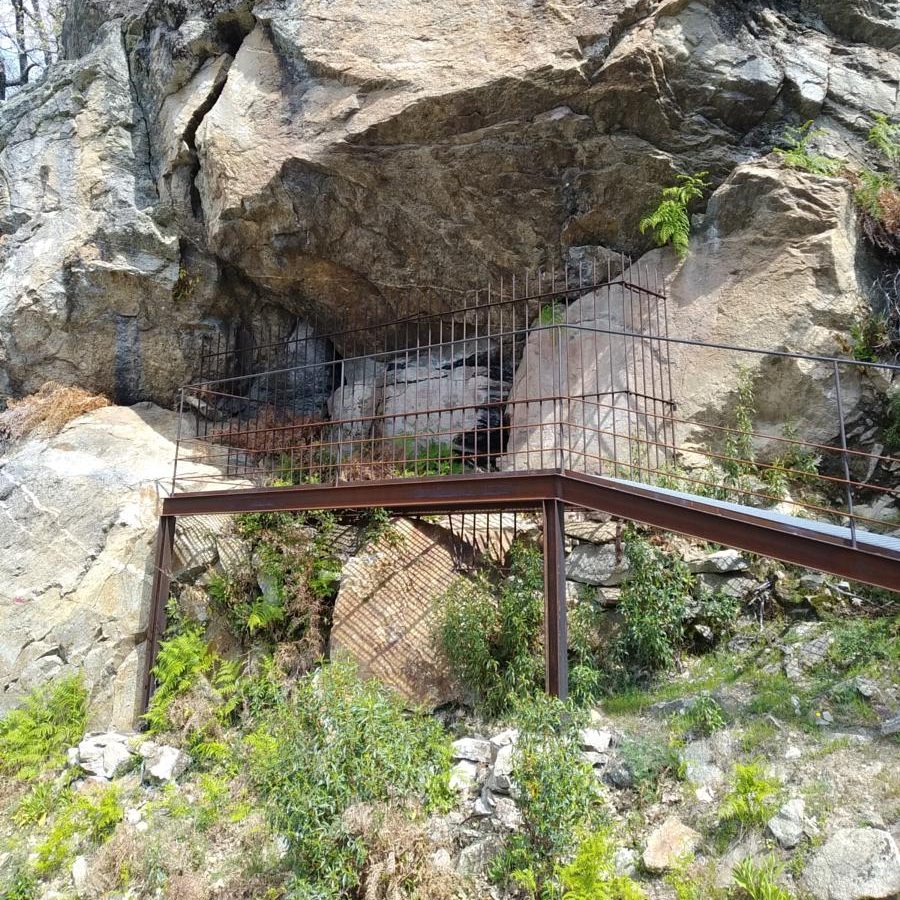
At the threshold of the wildlife-viewing area lies the final trace of human presence—a remnant that transports us to the end of the Northgrippian, the middle stage of the Holocene. These rock paintings, dated to around 4,000 years ago, reveal how prehistoric humans lived alongside the large wild herbivores that once inhabited these lands. It was these animals that shaped the open, sunlit landscape long before the arrival of livestock, leaving a mark that we can still read today in the rocks and in the very contours of the territory.
4. Iberian Mountain Savana
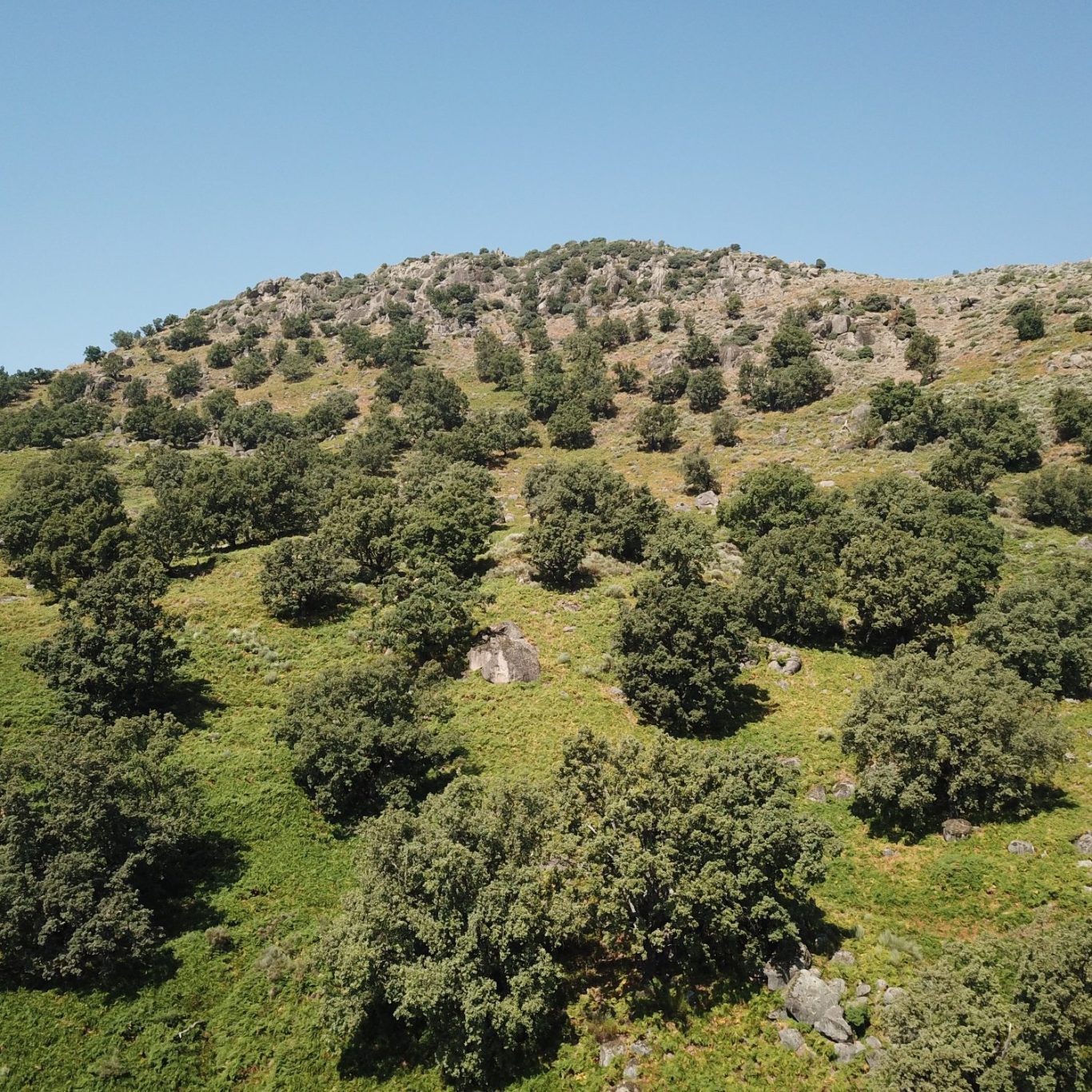
The Iberian montain savanna is the heart of this project. It is a unique landscape that will recreate the environment once inhabited by prehistoric humans—an environment they themselves depicted in their rock art, true gateways to a long-lost world. It will offer an exceptional opportunity to rediscover what our ecosystems looked like during the Northgrippian: vast open expanses of land populated with scattered centuries-old oaks, grasslands and shrublands shaped by the roaming of wild mesofauna. A journey into the past that reveals Europe’s nature as it once was.
Contact
Northgrippian Park is, for now, just an idea: an ecologist’s ambition to improve the quality of Gredos’ ecosystems and boost the local economy through ecotourism. If you’re interested in the project and believe you can help make it a reality, feel free to contact me at: northgrippianpark@gmail.com