Ecological processes
Restoring locally extinct wildlife—the major trophic links missing from much of our territory—is at the core of rewilding. Their reintroduction serves as a powerful driver of change, essential for reestablishing the healthy and holistic functioning of ecosystems.
This website is for informational and educational purposes only.
It does not imply the approval of any specific project nor the authorization of the introduction of species, which, if applicable, would require specific administrative procedures, environmental assessment, and public participation in accordance with current regulations.
Large herbivores
Restoring herbivory processes is crucial to recovering fully functional ecosystems. Large herbivores, now virtually absent from most of the European territory, play a key role in maintaining vegetation structure in its wildest state. Different herbivores exhibit distinct foraging behaviors, making species diversity and their abundance essential.
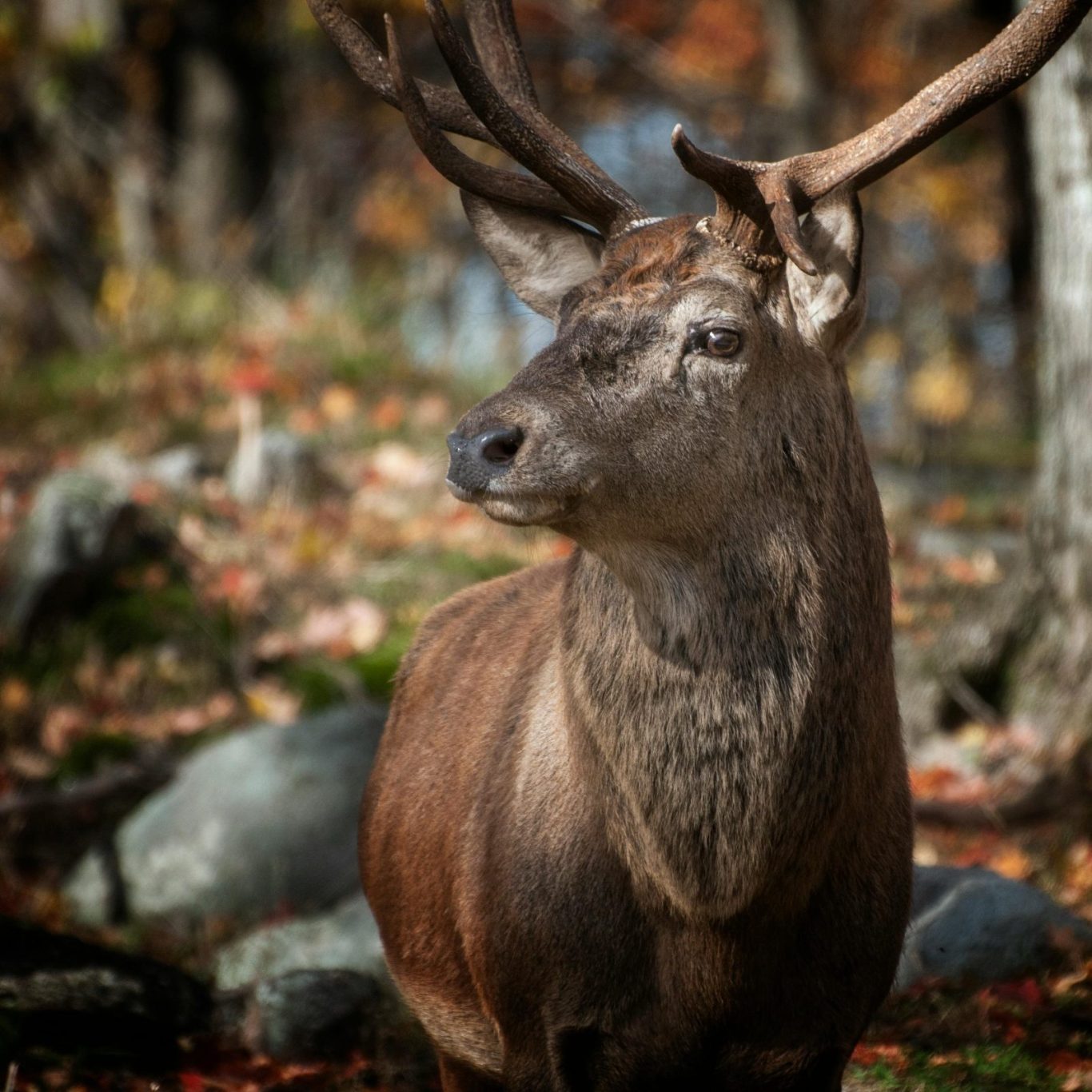
European deer
(Cervus elaphus)
Status: Currently present (some individuals)
Function: Large herbivore that interacts with vegetation through trampling, browsing of woody plants, and acorn consumption. Its presence is essential for regulating plant communities; however, its current population is so small that its activity cannot yet exert a significant ecological impact.
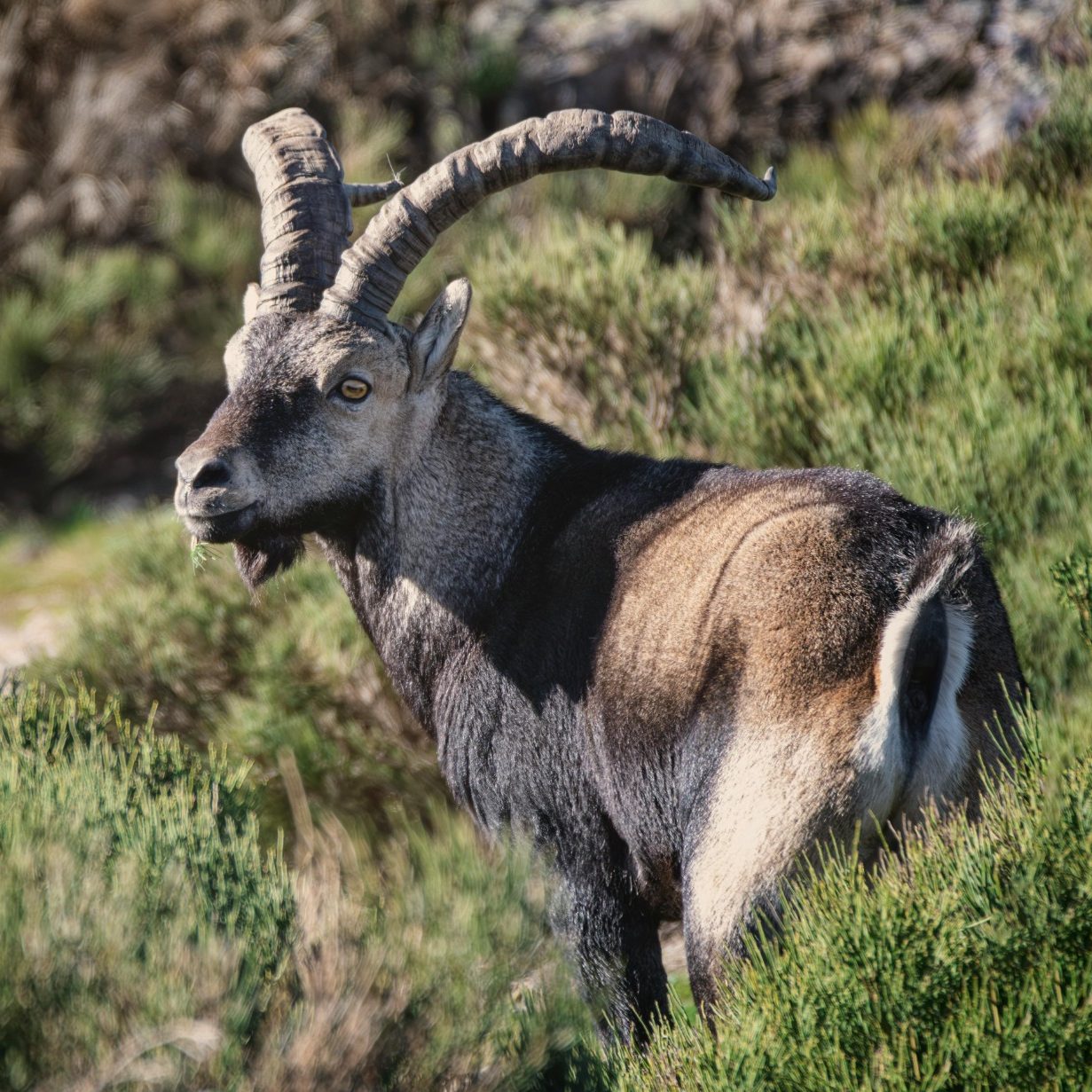
Gredos' Ibex
(Capra pyrenaica victoriae)
Status: Currently present (very abundant at high elevations)
Function: It feeds primarily on grasses, herbs, and mountain vegetation such as heather, broom, and other shrubs. Its expansion into lower-altitude regions is highly desirable.
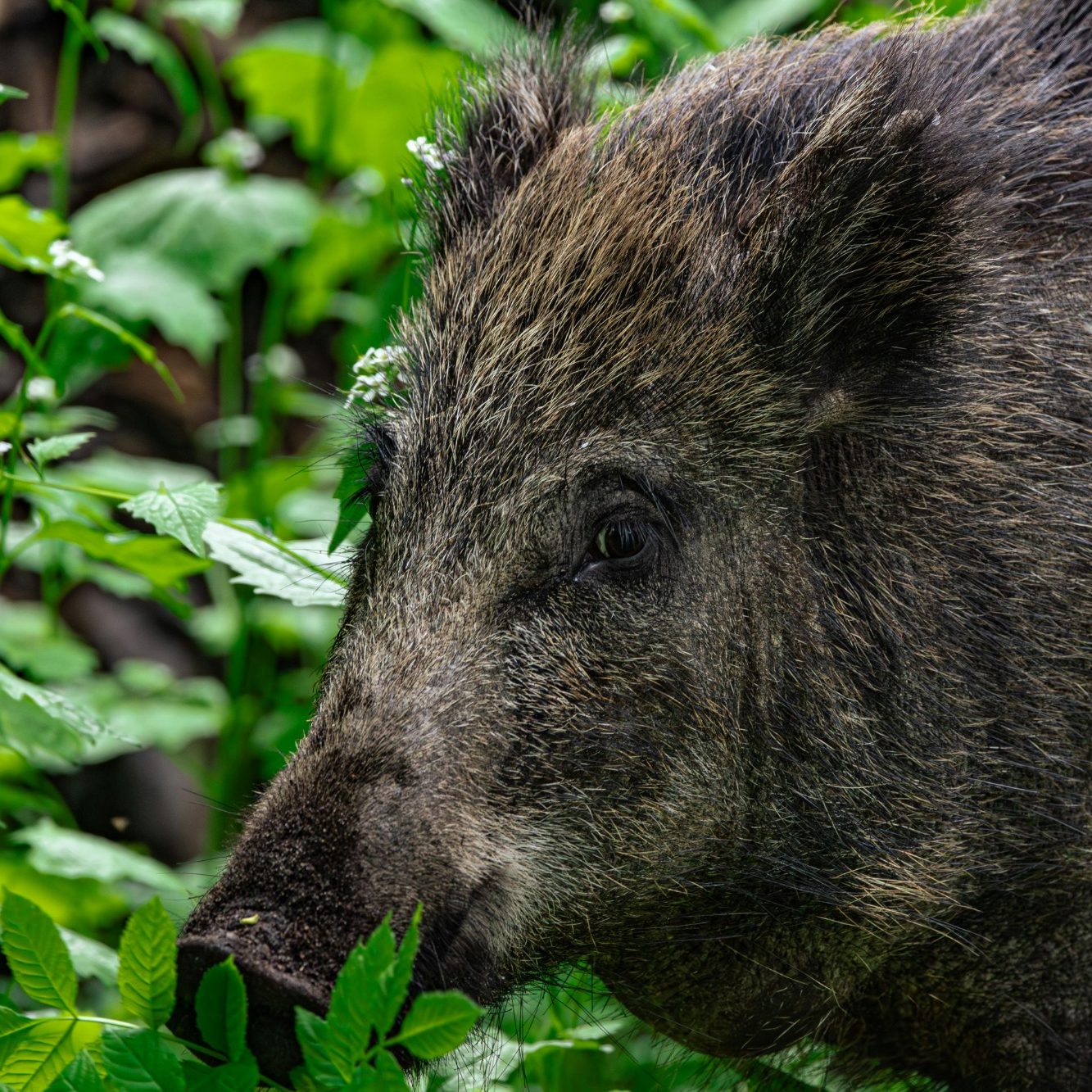
Wild boar
(Sus scrofa)
Status: Currently present (few individuals)
Function: It forages for acorns, roots, bulbs, and herbs by digging and overturning the soil. Its presence may play a crucial role in controlling the spread of common bracken, which is currently outcompeting other mediterranean herbs and shrubs.
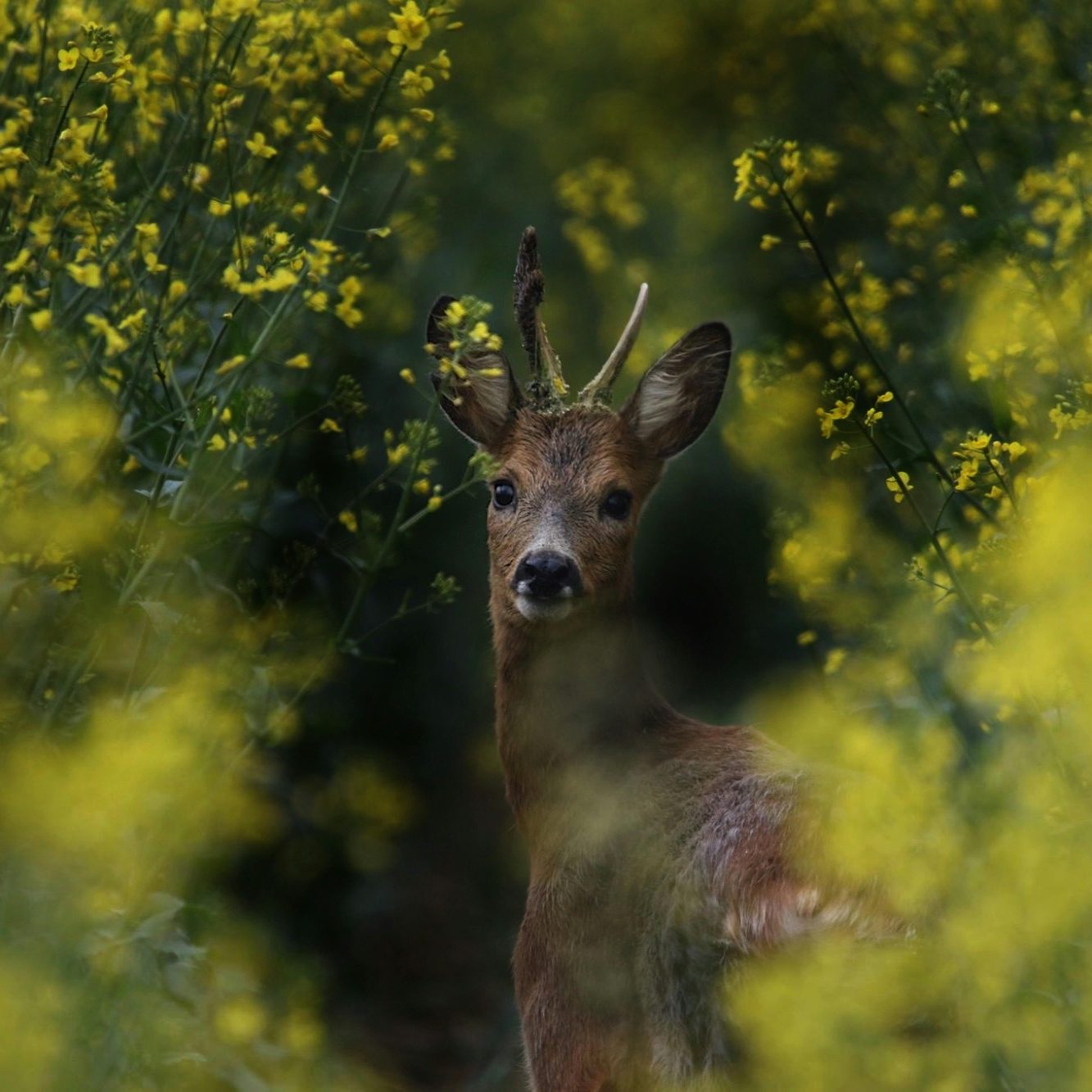
Roe deer
(Capreolus capreolus)
Status: Currently present (rare)
Function: The roe deer, despite its small size, is a browser that primarily feeds on shrubby vegetation. Its selective foraging provides an essential form of control in ecosystems richly dominated by Mediterranean scrub.
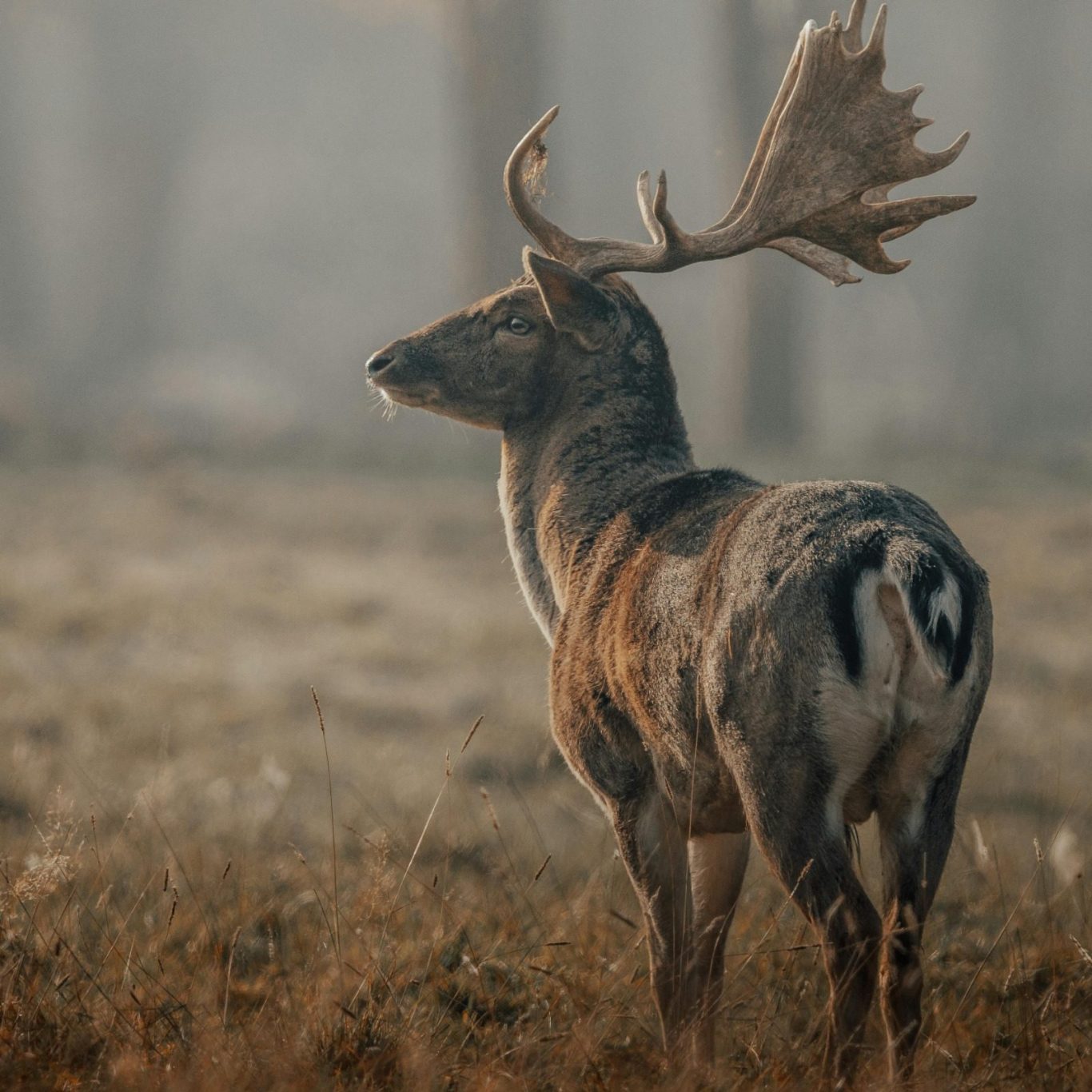
Red deer
(Dama dama)
Status: Locally extinct
Function: Despite its similarity to the red deer, the fallow deer prefers to feed on herbaceous plants and grasses, giving it a markedly different ecological role. Its presence could have a highly valuable influence on landscape structure and dynamics.
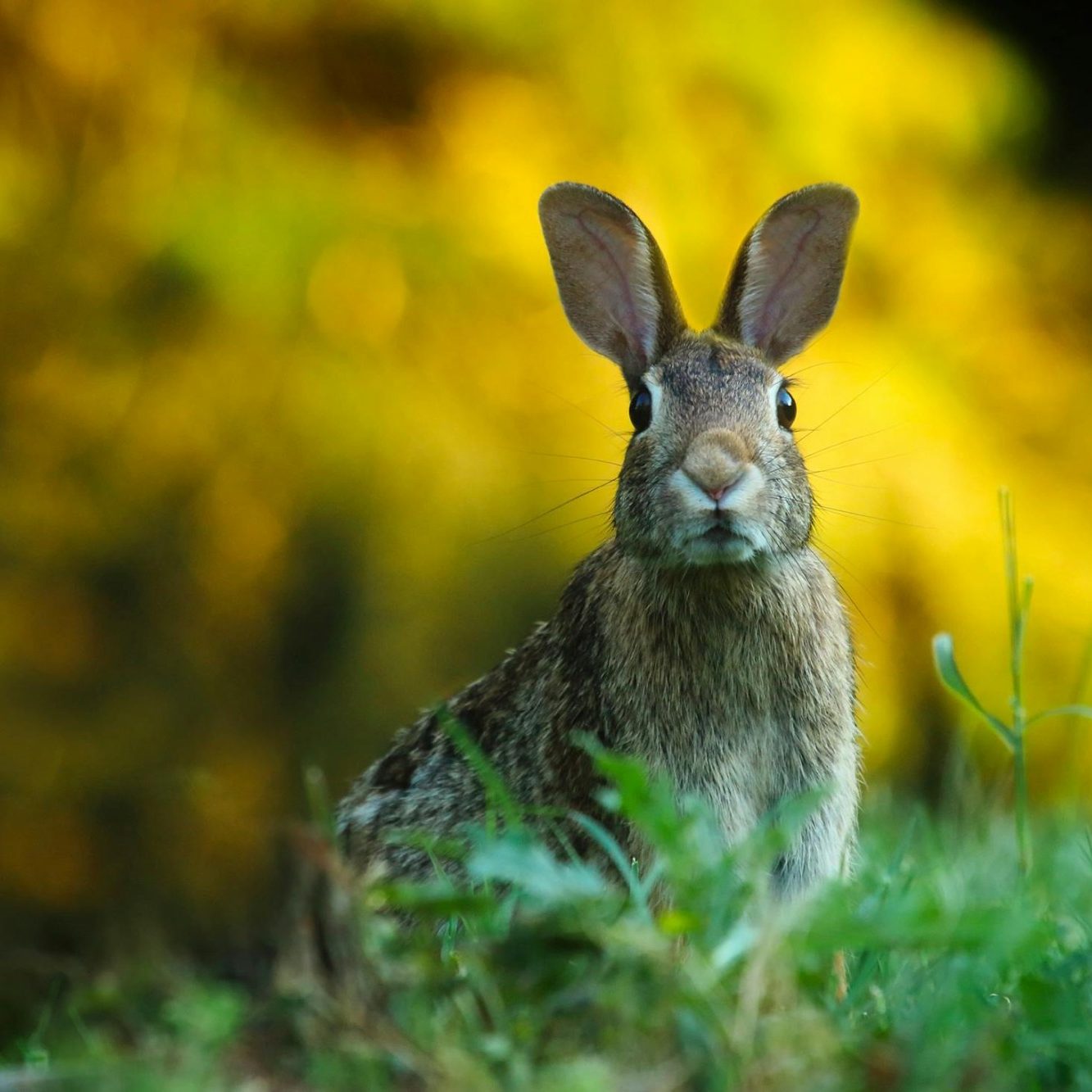
Iberian rabbit
(Oryctolagus cuniculus)
Status: Locally extinct (present until the 20th century)
Function: The recovery of the rabbit in this area is crucial for restoring the original state of the trophic network, as it is the primary prey for many small mammals and predatory birds. The species vanished from much of the Iberian Peninsula due to myxomatosis, leading to significant ecological imbalance.
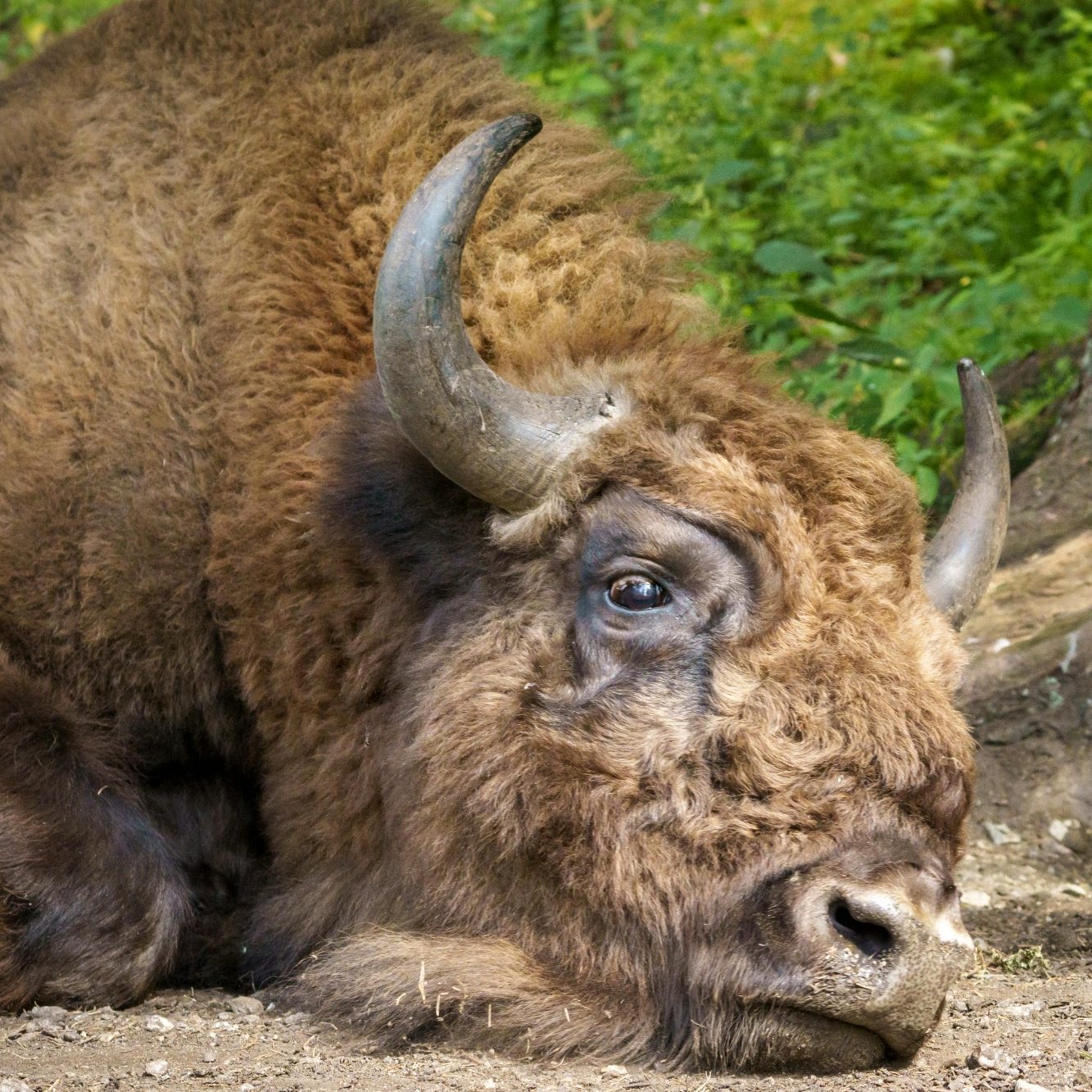
European Bison
(Bison bonasus)
Status: Locally extinct (several bison species inhabited mountainous areas of the Iberian Peninsula at the beginning of the Holocene)
Function: Their potential reintroduction has sparked debate, but the Sierra de Gredos could represent the best opportunity for a controlled return. Their natural grazing and scrub-clearing activities, along with their ability to disperse seeds and recycle nutrients, are unparalleled among herbivores. By helping to curb shrub encroachment, they reduce wildfire risk and create valuable habitats for insects, birds, and small mammals.
Other trophic groups
With herbivores present, ecosystem health and overall functionality depend on other crucial trophic links, such as large carnivores, scavengers, and omnivorous species. If this project comes to fruition, the Sierra de Gredos could become the first place in the world where the brown bear, the Iberian lynx, and the wolf coexist once again.
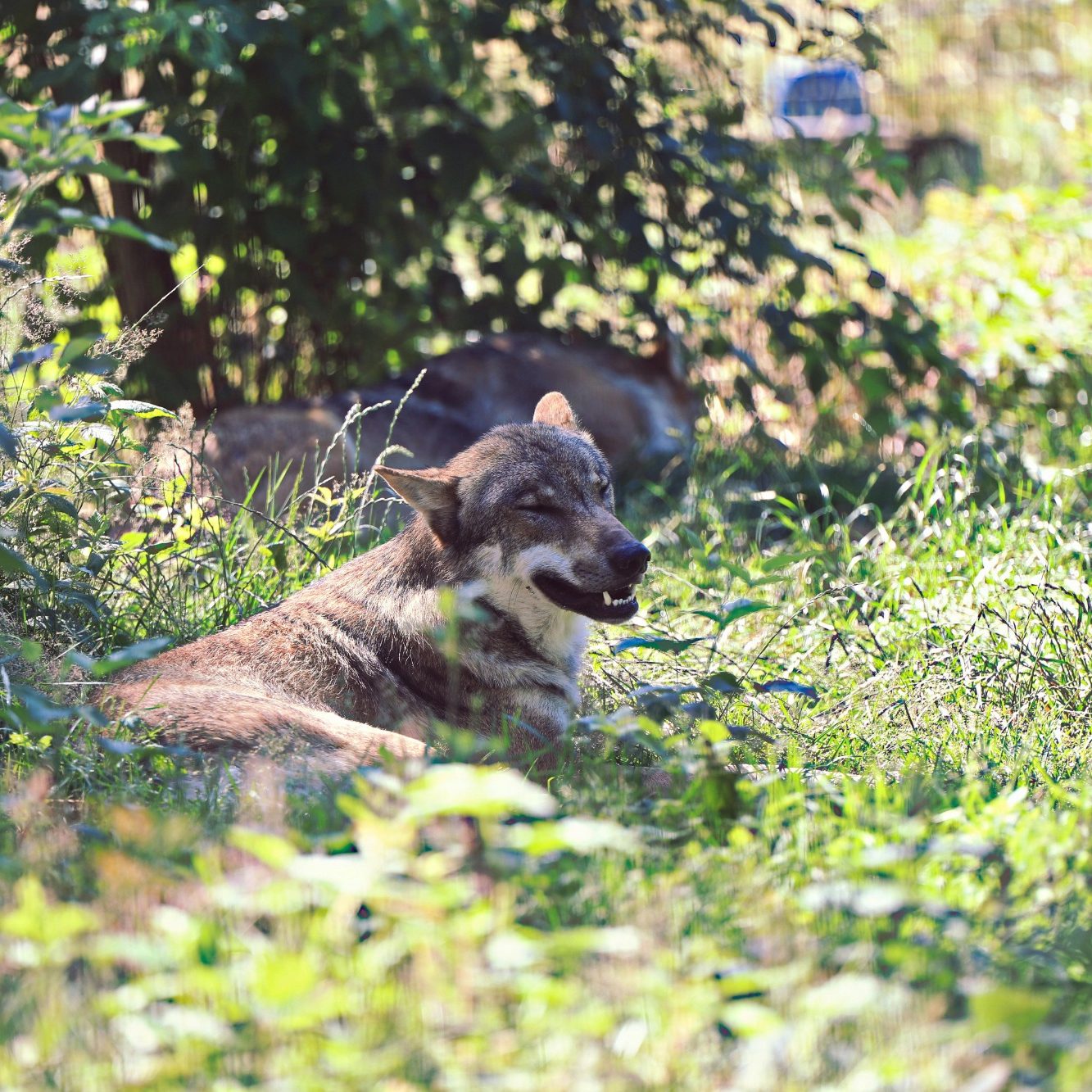
Iberian wolf
(Canis lupus signatus)
Status: Currently present (some individuals spotted in the south of Gredos recently)
Function: Despite the conflicts with livestock farming, its presence—restricted and properly managed within rewilded areas—is beneficial, as it acts as an apex predator and helps regulate herbivore populations.
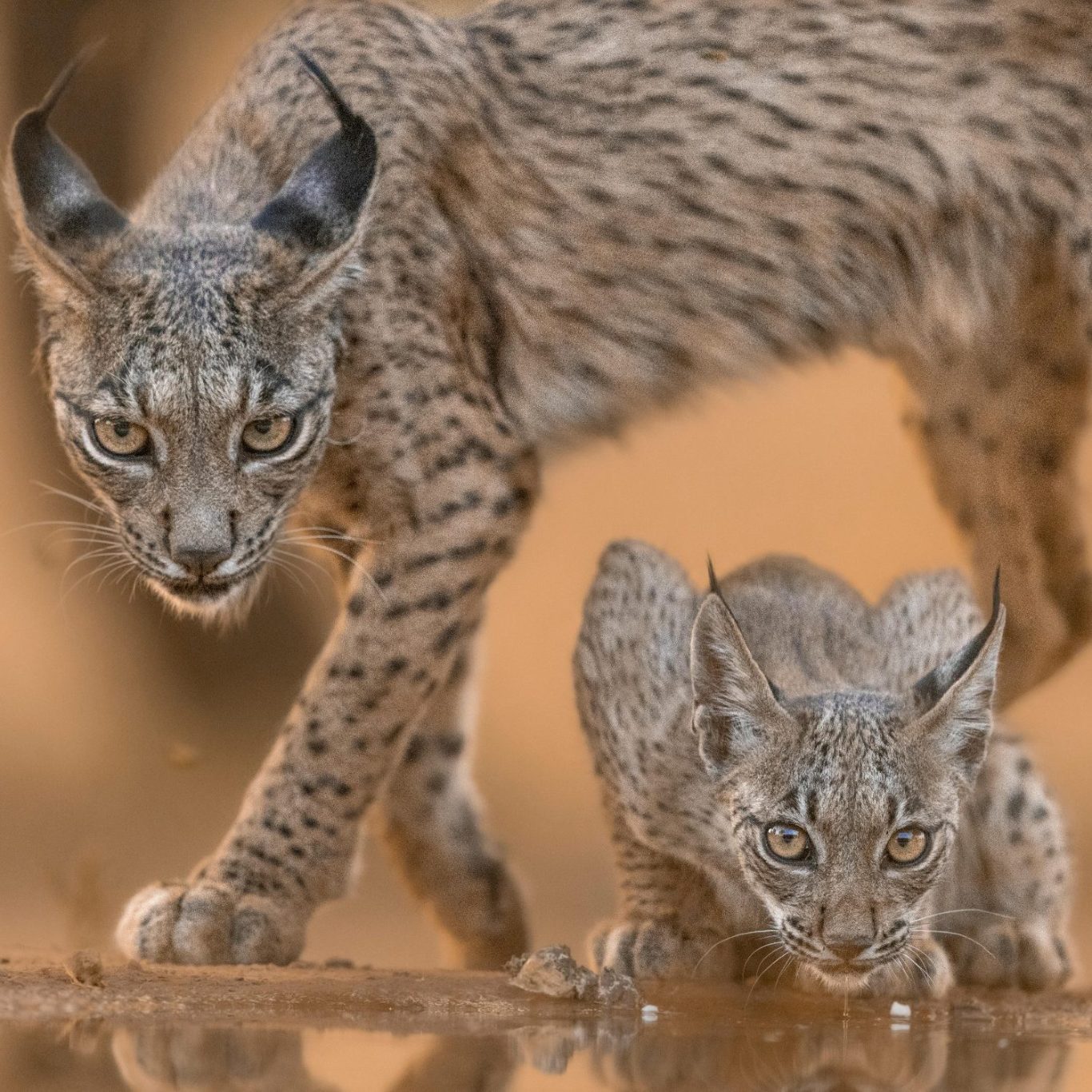
Iberian lynx
(Lynx pardinus)
Status: Locally extinct (present until the 20th century)
Function: This iconic Iberian feline, still endangered, could repopulate the southern slopes of Gredos—where it was once abundant—thereby strengthening the species’ conservation strategies. Its reintroduction, however, depends directly on the recovery of the rabbit.
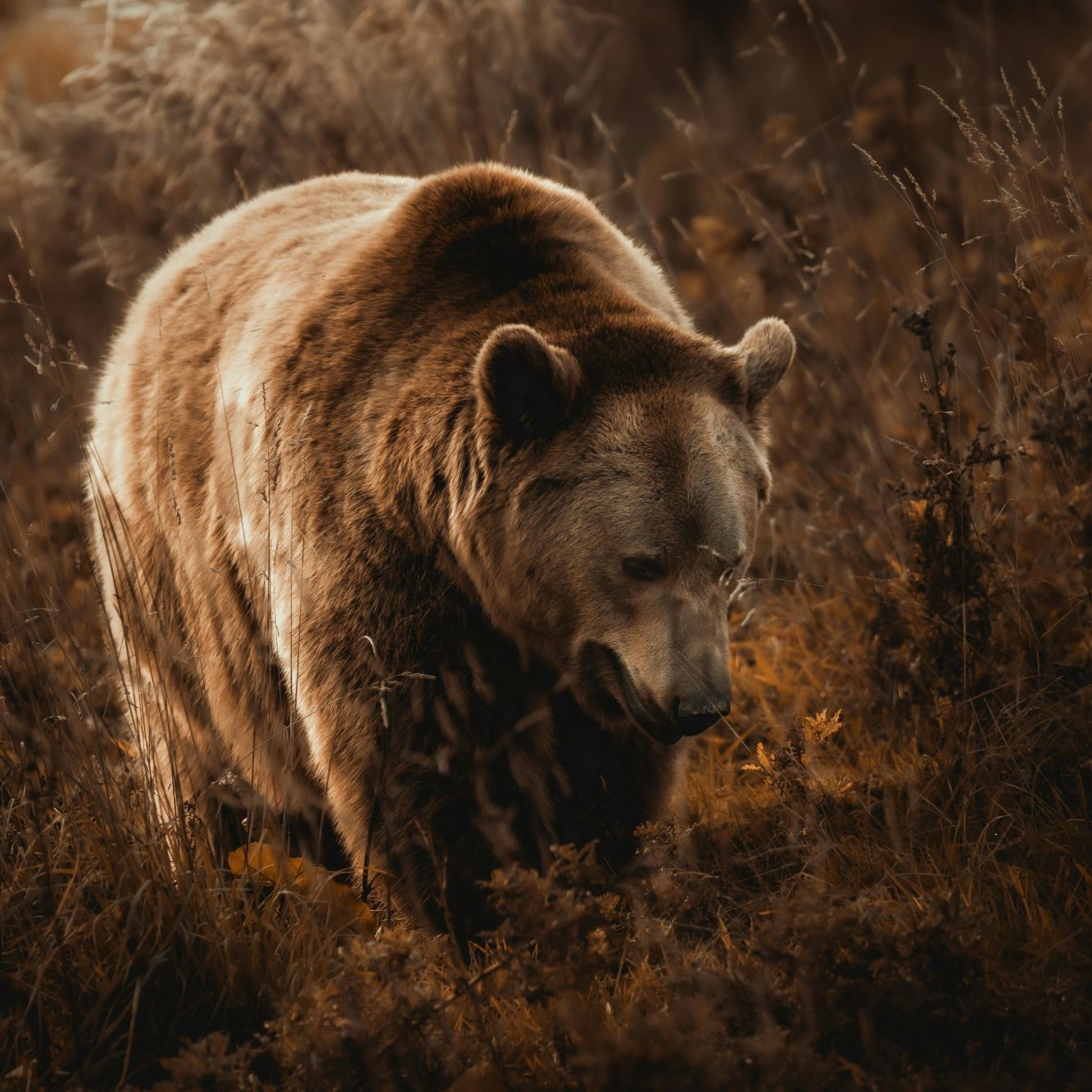
European bear
(Ursus arctos pyrenaicus)
Status: Locally extinct (present until the 20th century)
Function: This large omnivore has disappeared from the entire Mediterranean region of the Iberian Peninsula, where it lived alongside other wildlife until just a few decades ago. It is a crucial ecosystem engineer, functioning as a disperser of seeds from many berry- and fruit-bearing plants—now much rarer due to its absence—and altering forest structure by knocking down and disturbing vegetation.
Fire
Fire is a naturally occurring element in all Mediterranean ecosystems, but one that has been heavily altered by human presence. On the one hand, rural abandonment and excessive vegetation growth in the absence of herbivores lead to catastrophic wildfires that are undesirable. On the other hand, the systematic suppression of every incipient fire prevents fire from fulfilling its ecological role.
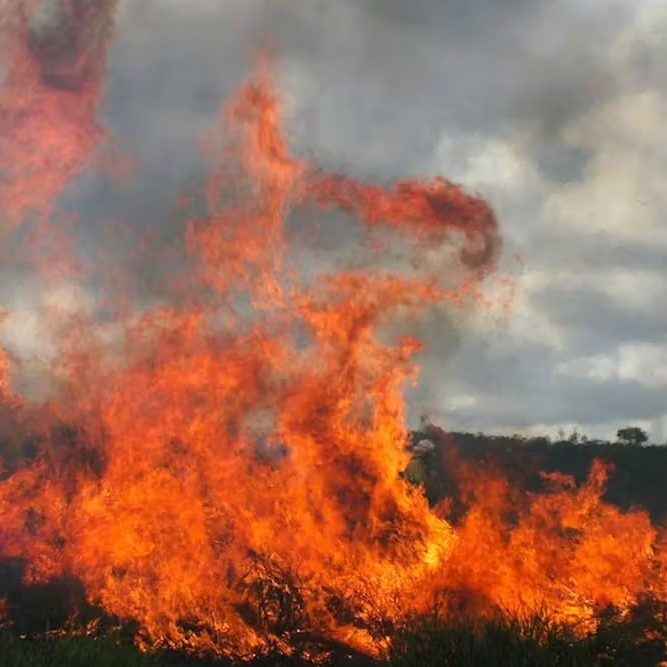
Prescribed burns
Function: Fire plays an essential role in ecosystems by promoting landscape heterogeneity. When its frequency and intensity are moderate, it allows vegetation to reach its highest levels of biodiversity. Many Mediterranean plant species are adapted to fire and require its presence to fully express their ecological potential. Fire management, through controlled and/or prescribed burns, is essential to the success of a rewilding project of this nature.
Contact
Northgrippian Park is, for now, just an idea: an ecologist’s ambition to improve the quality of Gredos’ ecosystems and boost the local economy through ecotourism. If you’re interested in the project and believe you can help make it a reality, feel free to contact me at: northgrippianpark@gmail.com